
Best compact workbenches for small spaces 2026

A great small-space workbench has to survive two competing demands: collapsing down to closet size while still feeling solid under a hand plane. We compared fold-flat and portable benches by folded footprint, tabletop size, clamping options, weight capacity, and how much they rattle during use, starting with the Kreg Mobile Project Center.
Quick comparison
| Product | Rating | Price | |
|---|---|---|---|
 Festool Carvex PS 420 EBQ A quiet corded jigsaw for apartment woodworkers +Low noise and vibration+Excellent cut quality -Premium price point | $1,050.00 | Buy → | |
 Festool TID 18 The premium quiet impact driver for apartment woodworkers +Quieter than typical impacts+Brushless EC-TEC motor -Premium price tag | $199.00 | Buy → | |
 Kreg Mobile Project Center A fold-flat workbench for small-space workshops +Folds flat for storage+Built-in clamping surfaces -Heavier than budget alternatives | $99.99 | Buy → | |
 Bosch GO 2.0 A whisper-quiet screwdriver for apartment workshops +Whisper-quiet operation+One-handed push-to-start -Limited torque output | $88.00 | Buy → | |
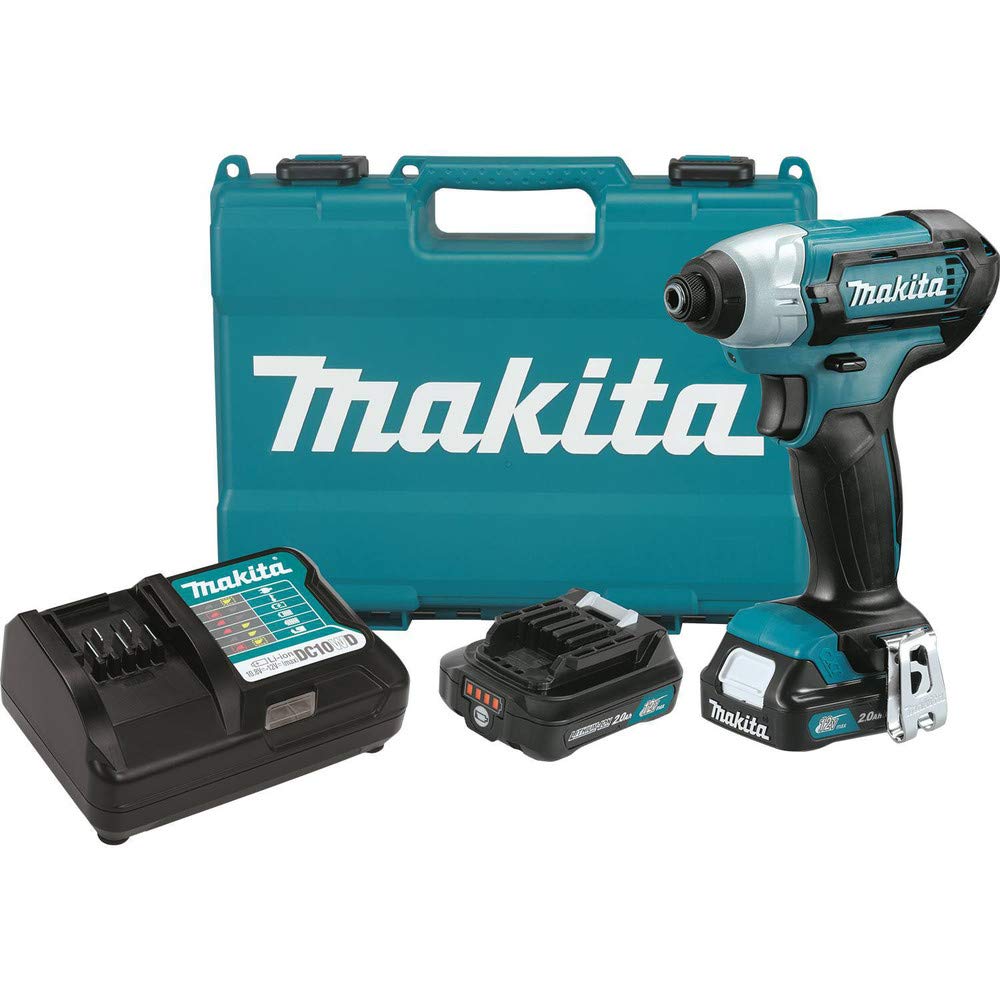 Makita DT03R1 12V max brushless driver kit A quiet everyday workhorse for apartment makers +Compact 12V subcompact design+Brushless motor efficiency -Lower power than 18V | $130.30 | Buy → | |
 Worx MakerX WX031L A pint-sized drill driver for tight workshops +Compact modular design+Brushless 20V motor -Smaller chuck capacity | $74.99 | Buy → |
Top picks at a glance
A quiet corded jigsaw for apartment woodworkers
- Low noise and vibration
- Excellent cut quality
- Great dust extraction
- Premium price point
- Barrel grip niche feel
The premium quiet impact driver for apartment woodworkers
- Quieter than typical impacts
- Brushless EC-TEC motor
- Electronic kickbackStop protection
- Premium price tag
- Less raw power than rivals
A fold-flat workbench for small-space workshops
- Folds flat for storage
- Built-in clamping surfaces
- Stable during cuts
- Heavier than budget alternatives
- Takes space when open
A whisper-quiet screwdriver for apartment workshops
- Whisper-quiet operation
- One-handed push-to-start
- Compact and lightweight
- Limited torque output
- Not a drill replacement
A quiet everyday workhorse for apartment makers
- Compact 12V subcompact design
- Brushless motor efficiency
- Quiet for shared walls
- Lower power than 18V
- Smaller battery capacity
A pint-sized drill driver for tight workshops
- Compact modular design
- Brushless 20V motor
- PowerShare battery compatible
- Smaller chuck capacity
- Lower torque than full-size
What to look for in a small-space workbench
A small-space workbench has to do two contradictory things: stay out of the way when you're not using it, and stay planted when you are. Every buying decision in this category is really a negotiation between those two demands, and the spec sheet hides most of the trade-offs.
- Stability and storage are opposites — folding-friendly frames usually flex under load; fixed benches usually eat floor space.
- The five criteria that actually matter: folded footprint, tabletop size, clamping options, weight capacity, and vibration.
- Match the bench to your heaviest project, not your most common one — a bench that wobbles on your worst day is a bench you stop using. ::
Folded footprint is the headline number for small spaces, but measure with intent. A bench that folds to "under 6 inches" against a wall is useless if its legs swing into a door swing or block a baseboard outlet. Check the folded depth and the clearance needed to actually deploy it.
Tabletop size is where buyers routinely self-deceive. A 24" deep surface feels generous in a product photo and cramped the first time you crosscut a 4-foot board on it. Think in terms of the largest stock you realistically handle, then add room for a clamp or a vise on each side.
Clamping options separate a workbench from a folding table. Look for integrated dog holes, a built-in or compatible vise, and at least one edge that accepts a bar clamp or quick-grip without obstruction. The more ways you can hold a workpiece, the more often you'll reach for the bench instead of the kitchen counter.
Weight capacity is the most oversold number in the category. Manufacturers rate the static load; what you'll feel is dynamic flex under a mallet strike or a router at full plunge. Heavier frames and triangulated leg bracing matter more than the headline pound figure.
Vibration is the silent killer of a small workbench. Thin tops and folding hinges act like speaker cones, turning a palm sander into a shaking hand. Mass, a solid back rail, and a means to lock the legs rigid (not just "open") are what quiet a bench down.
Balance those five against the available space, and the right bench usually picks itself.## What to look for in a small-space workbench
A small-space workbench has to do two contradictory things: stay out of the way when you're not using it, and stay planted when you are. Every buying decision in this category is really a negotiation between those two demands, and the spec sheet hides most of the trade-offs.
- Stability and storage are opposites — folding-friendly frames usually flex under load; fixed benches usually eat floor space.
- The five criteria that actually matter: folded footprint, tabletop size, clamping options, weight capacity, and vibration.
- Match the bench to your heaviest project, not your most common one — a bench that wobbles on your worst day is a bench you stop using. ::
Folded footprint is the headline number for small spaces, but measure with intent. A bench that folds to "under 6 inches" against a wall is useless if its legs swing into a door swing or block a baseboard outlet. Check the folded depth and the clearance needed to actually deploy it.
Tabletop size is where buyers routinely self-deceive. A 24" deep surface feels generous in a product photo and cramped the first time you crosscut a 4-foot board on it. Think in terms of the largest stock you realistically handle, then add room for a clamp or a vise on each side.
Clamping options separate a workbench from a folding table. Look for integrated dog holes, a built-in or compatible vise, and at least one edge that accepts a bar clamp or quick-grip without obstruction. The more ways you can hold a workpiece, the more often you'll reach for the bench instead of the kitchen counter.
Weight capacity is the most oversold number in the category. Manufacturers rate the static load; what you'll feel is dynamic flex under a mallet strike or a router at full plunge. Heavier frames and triangulated leg bracing matter more than the headline pound figure.
Vibration is the silent killer of a small workbench. Thin tops and folding hinges act like speaker cones, turning a palm sander into a shaking hand. Mass, a solid back rail, and a means to lock the legs rigid (not just "open") are what quiet a bench down.
Balance those five against the available space, and the right bench usually picks itself.
Leveling and care tips
Shop floors are never as flat as you think, and a bench that rocks in one corner will make every cut feel off. A few minutes of setup buys you a flat reference surface and a quieter work day.
Get the base flat first
Set the bench in its real working spot before you level it — the floor under your assembly area is rarely the floor you actually use. Check with a long bubble level (24" minimum) across the top in both directions. If the bench has threaded leveling feet, use those first and shim only where the threads bottom out. Composite shims outlast wooden ones and won't compress over time.
- Place the bench in its permanent spot and check both axes with a long level.
- Adjust threaded feet until the top reads flat; shim any corner that still sits low.
- Tighten lock nuts or jamb hardware so the feet can't drift under load.
- Recheck after the first hour of use — tops and inserts settle, and floor deflection under your weight can shift a shim. ::
Tighten hardware on a schedule
Vibration from saws, sanders, and planers works bolts loose faster than any other shop condition. Once a month, walk the bench with the right Allen key or socket: leg bolts, vise hardware, drawer slides, dog-hole inserts, and any backer boards. Snug is the goal — over-torque strips MDF inserts and cracks softwood frames. A dab of medium thread-locker on leg bolts prevents the slow walk that ruins level.
Kill chatter on a light bench
A bench that flexes makes tools chatter, and chatter shows up as rough cuts and burnished finishes. Attack it with mass and decoupling, not brute weight.
- Add a dead layer. A sheet of 3/4" plywood or steel plate screwed to the top tames flex without eating tool clearance.
- Load the base. Sandbags, concrete blocks, or a heavy lower shelf packed with tools lowers the bench's natural frequency and stops wobble.
- Decouple the tool. Mount noisy tools on an anti-vibration mat so motor buzz doesn't travel through the frame into your workpiece.
- Separate cutting from finishing surfaces. A sacrificial MDF overlay for saws, a softer top for sanding, keeps each tool honest.
Ten minutes of setup now saves an hour of frustration on every project.## Leveling and care tips
Shop floors are never as flat as you think, and a bench that rocks in one corner will make every cut feel off. A few minutes of setup buys you a flat reference surface and a quieter work day.
Get the base flat first
Set the bench in its real working spot before you level it — the floor under your assembly area is rarely the floor you actually use. Check with a long bubble level (24" minimum) across the top in both directions. If the bench has threaded leveling feet, use those first and shim only where the threads bottom out. Composite shims outlast wooden ones and won't compress over time.
- Place the bench in its permanent spot and check both axes with a long level.
- Adjust threaded feet until the top reads flat; shim any corner that still sits low.
- Tighten lock nuts or jamb hardware so the feet can't drift under load.
- Recheck after the first hour of use — tops and inserts settle, and floor deflection under your weight can shift a shim. ::
Tighten hardware on a schedule
Vibration from saws, sanders, and planers works bolts loose faster than any other shop condition. Once a month, walk the bench with the right Allen key or socket: leg bolts, vise hardware, drawer slides, dog-hole inserts, and any backer boards. Snug is the goal — over-torque strips MDF inserts and cracks softwood frames. A dab of medium thread-locker on leg bolts prevents the slow walk that ruins level.
Kill chatter on a light bench
A bench that flexes makes tools chatter, and chatter shows up as rough cuts and burnished finishes. Attack it with mass and decoupling, not brute weight.
- Add a dead layer. A sheet of 3/4" plywood or steel plate screwed to the top tames flex without eating tool clearance.
- Load the base. Sandbags, concrete blocks, or a heavy lower shelf packed with tools lowers the bench's natural frequency and stops wobble.
- Decouple the tool. Mount noisy tools on an anti-vibration mat so motor buzz doesn't travel through the frame into your workpiece.
- Separate cutting from finishing surfaces. A sacrificial MDF overlay for saws, a softer top for sanding, keeps each tool honest.
Ten minutes of setup now saves an hour of frustration on every project.
Latest reviews


Latest articles

